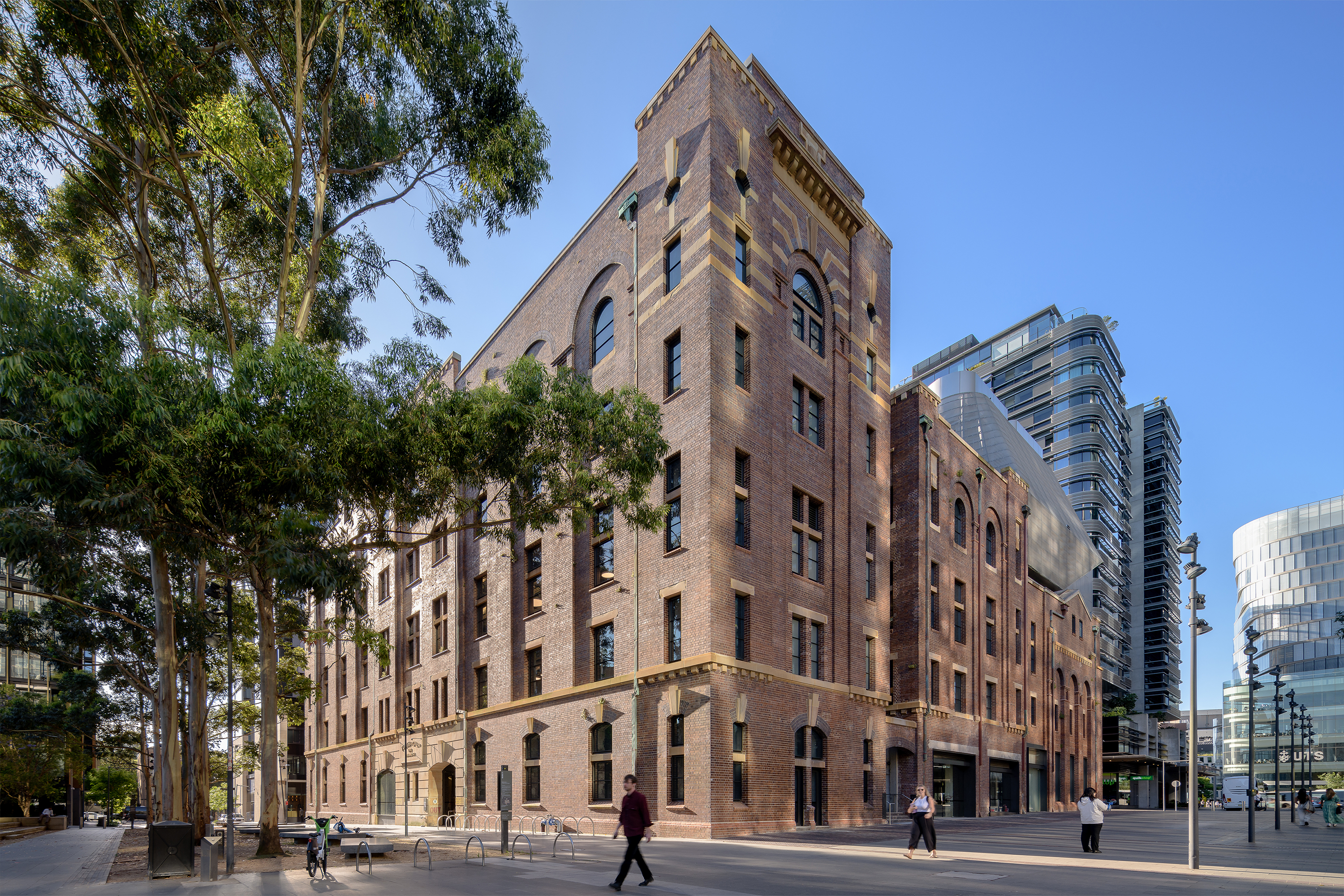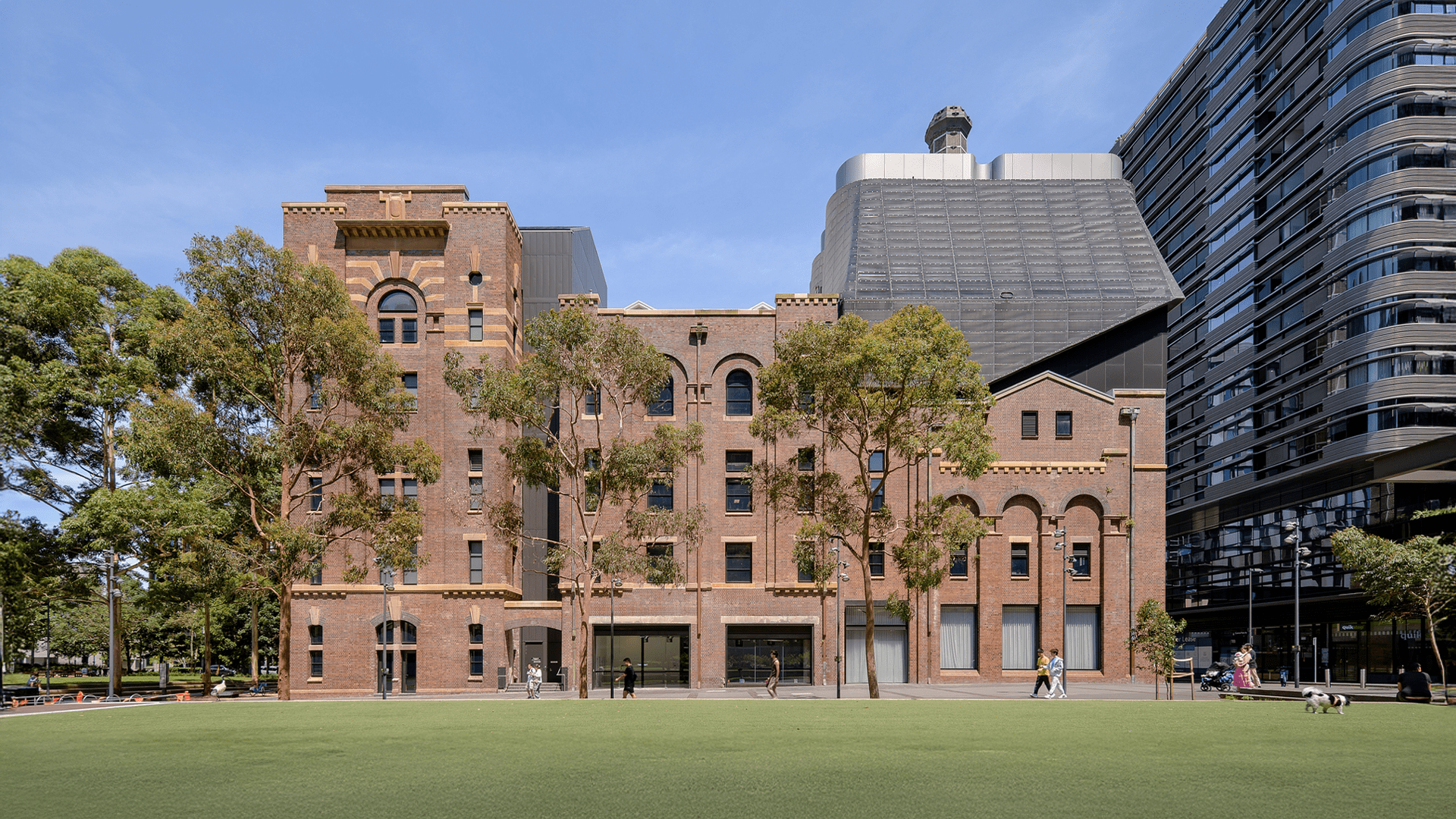
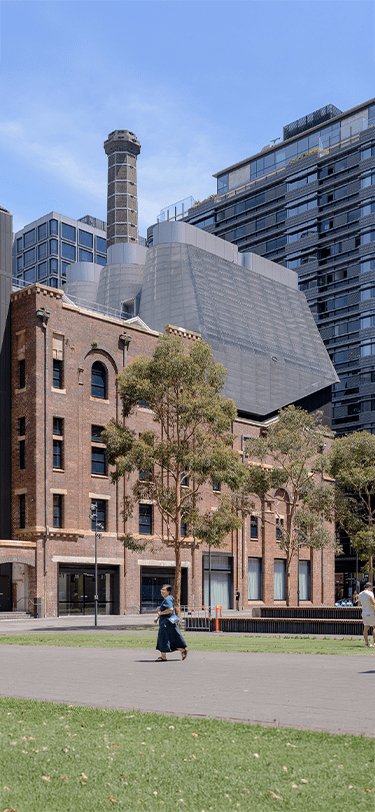
The meticulous adaptive reuse of the Carlton and United Brewery Yard, located in the centre of Central Park, demonstrates the importance Tzannes places on sustainability, innovation, placemaking and collaboration. As the largest group of retained heritage buildings at Central Park, they provide the most direct representation of the brewery which existed on the site from about the 1870’s until 2005.
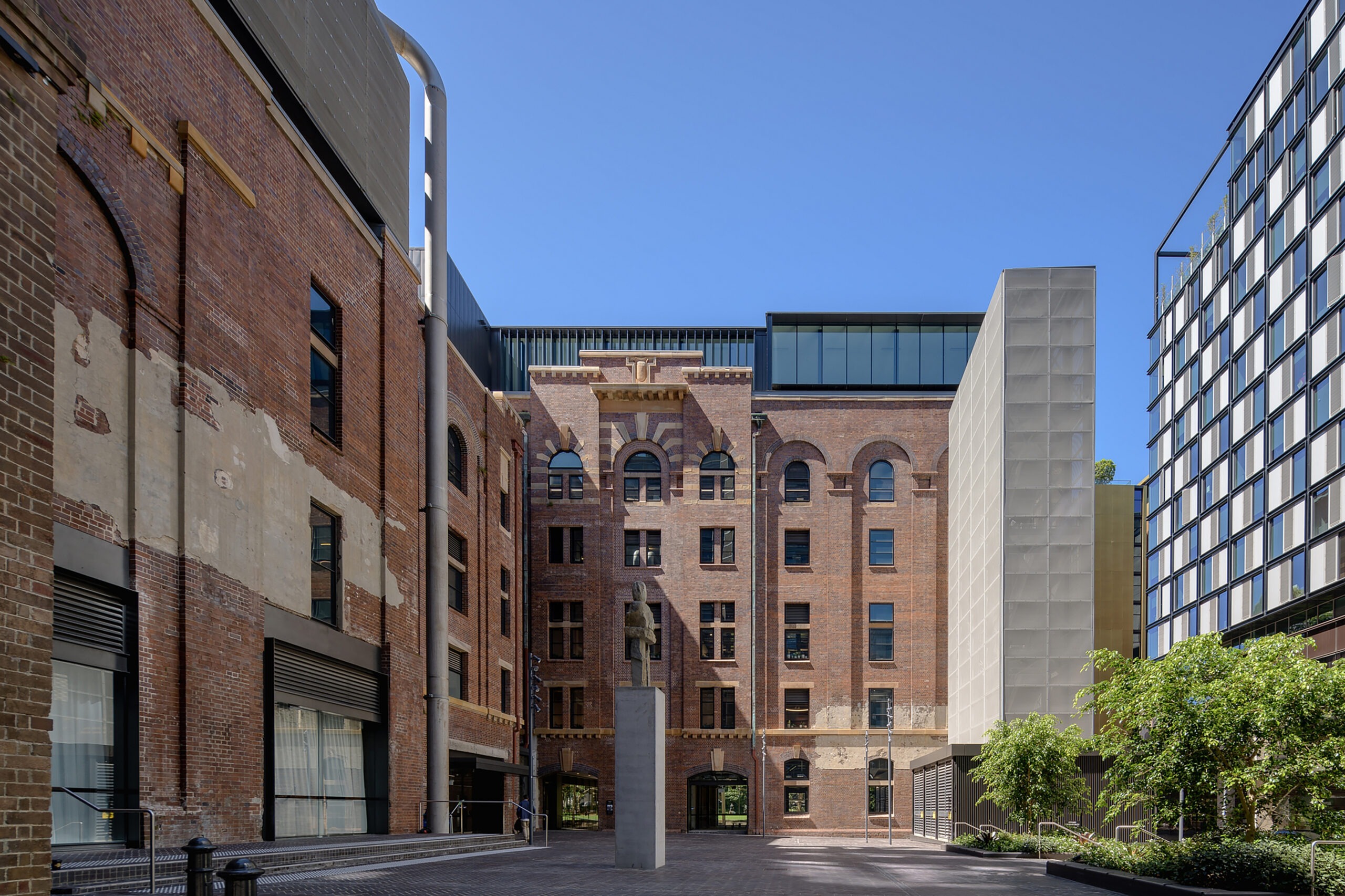
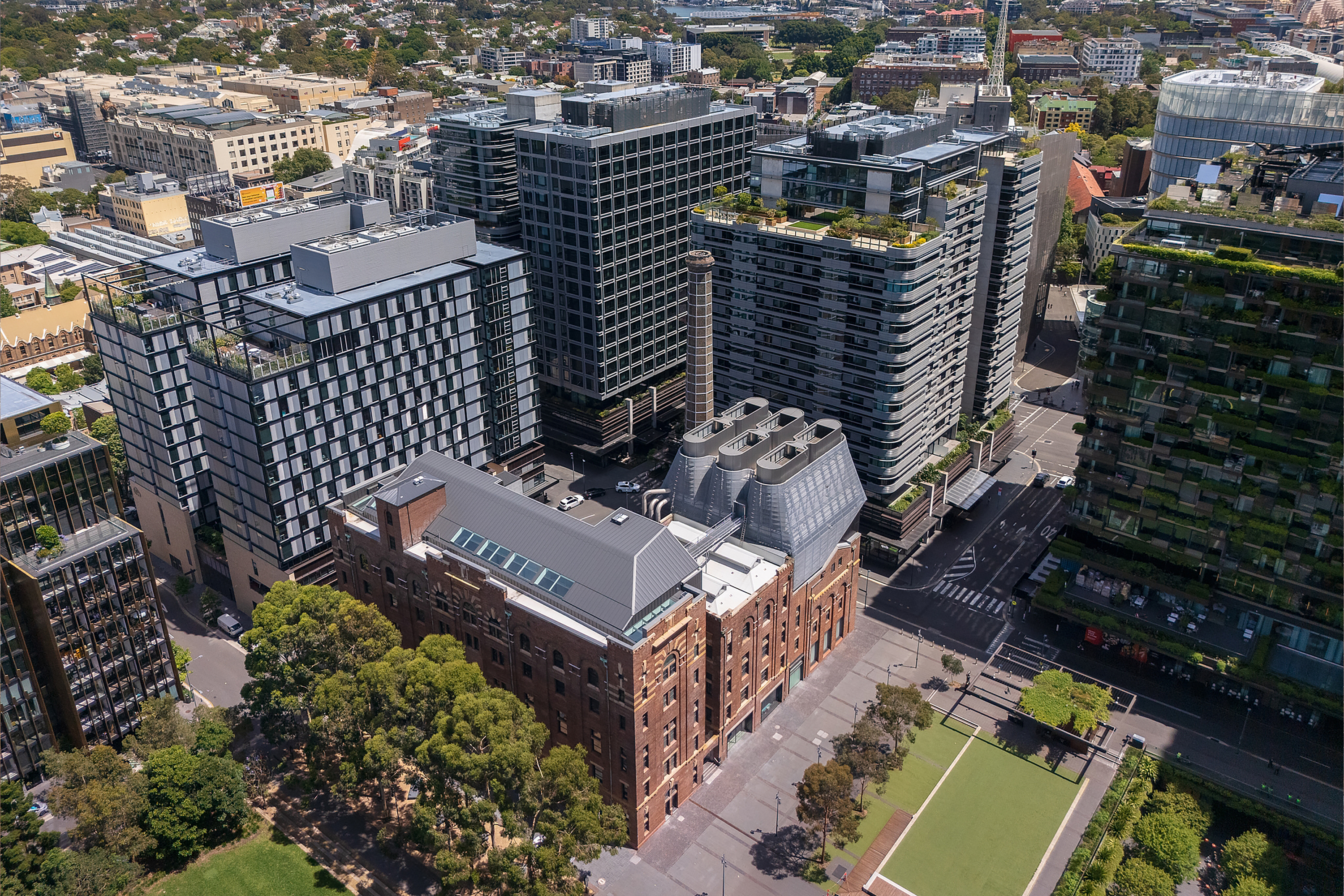
The Brewery Yard integrates six early 20th-century buildings in the centre of a 6.7 hectare site with underground plant equipment and an above-ground, gas-powered tri-generation plant powering the Central Park precinct and part of the UTS campus.
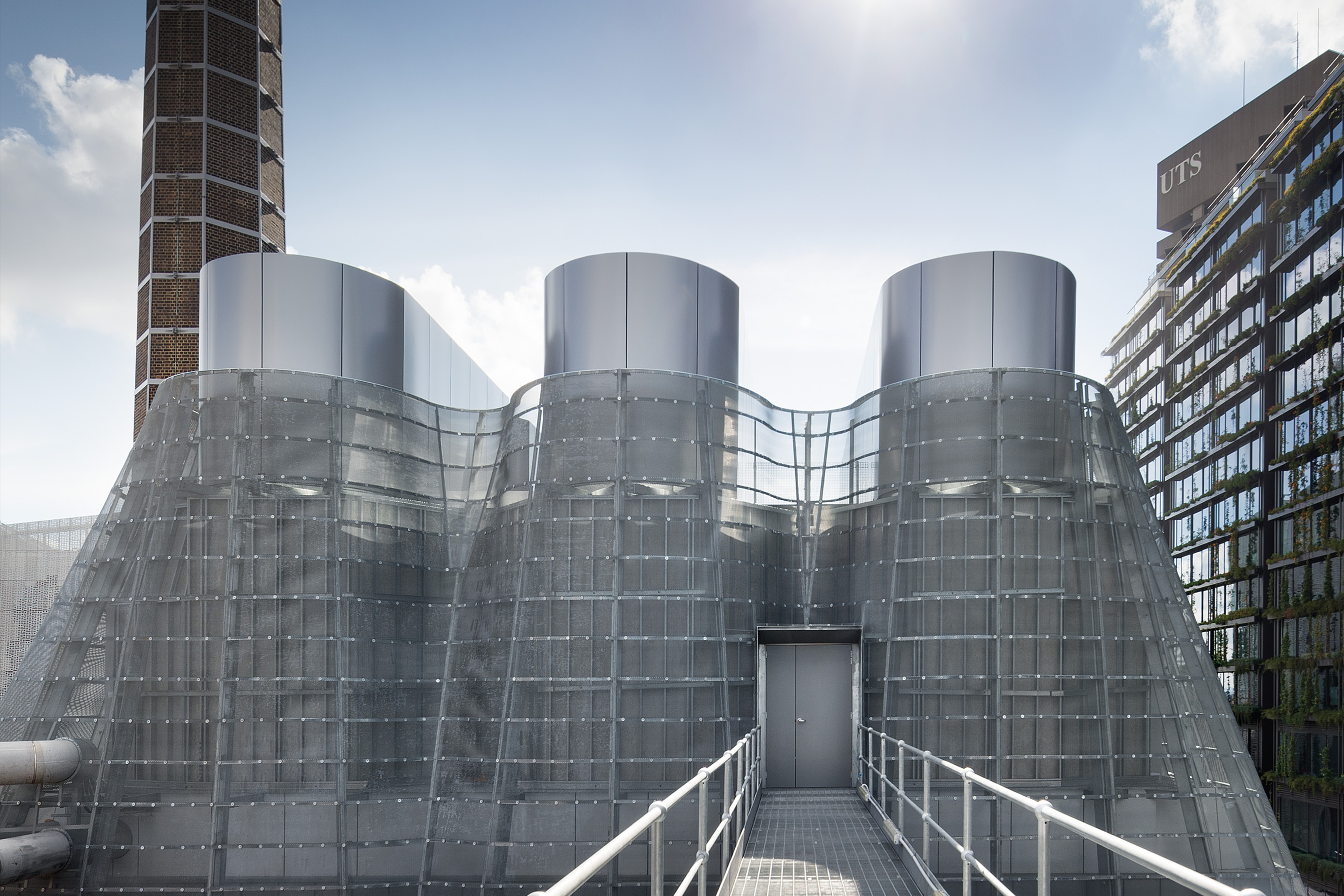
The groundwork for Brewery Yard’s transformation began in 2003 with the precinct masterplan designed by Tzannes in association with Cox Richardson, followed by Stage 1 work which included the introduction of the cooling towers for the tri-generation plant that delivers gas-generated electricity and hot and cold water to the entire precinct. The tri-generation energy supply is modelled to reduce carbon emissions by an estimated 180,000 tonnes over the 25-year life of the plant.
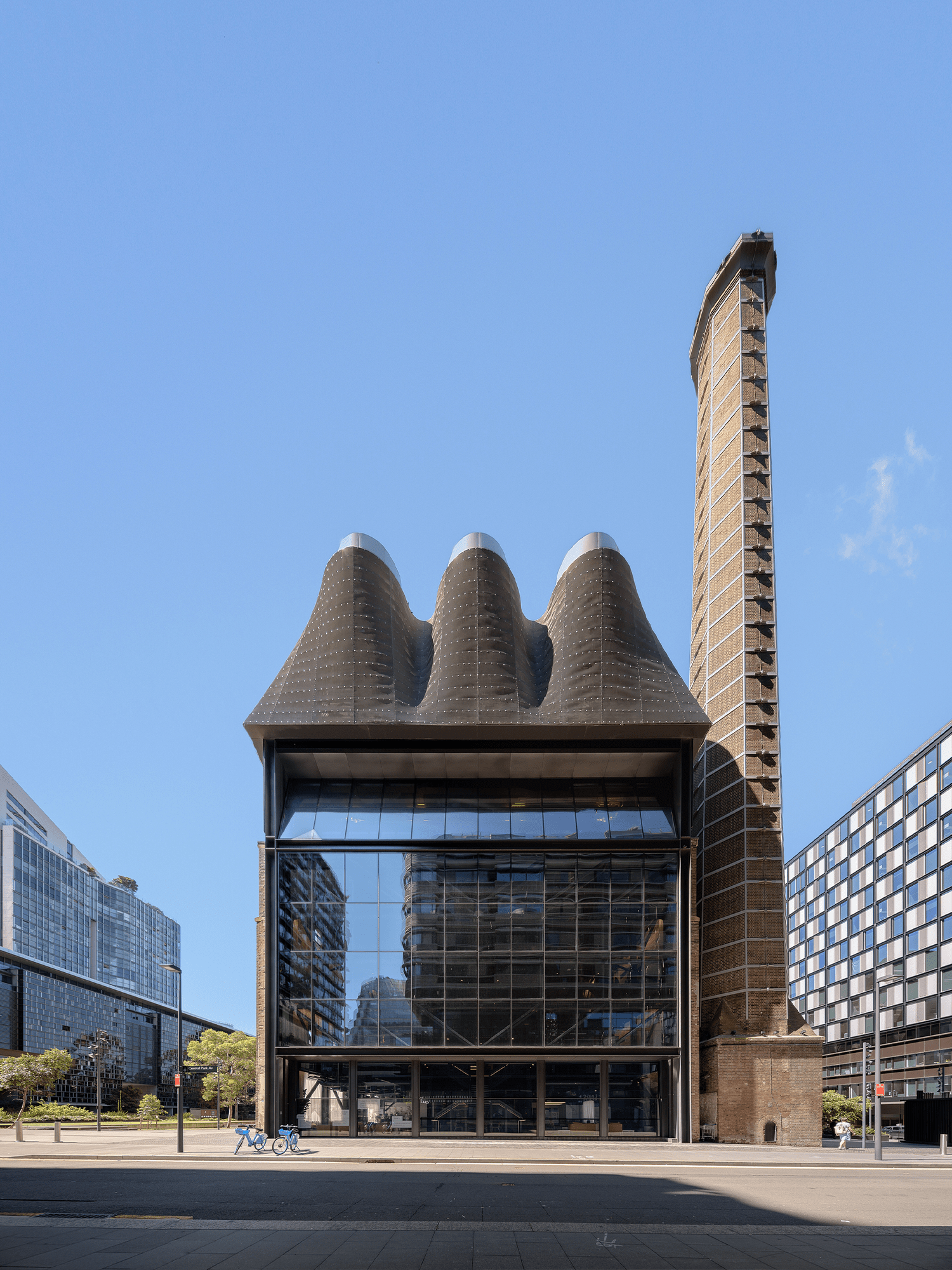
Atop the heritage building, a new steel framed structure comprising panels of expanded zinc mesh has been designed to obscure the bulk and utilitarian appearance of the cooling towers and acoustic attenuators. The mesh is wrapped and folded around the equipment and towers to create a sculptural form that geometrically integrates the historic brick structure and the curving geometry of the substantial, concealed fan coil units of the plant above.
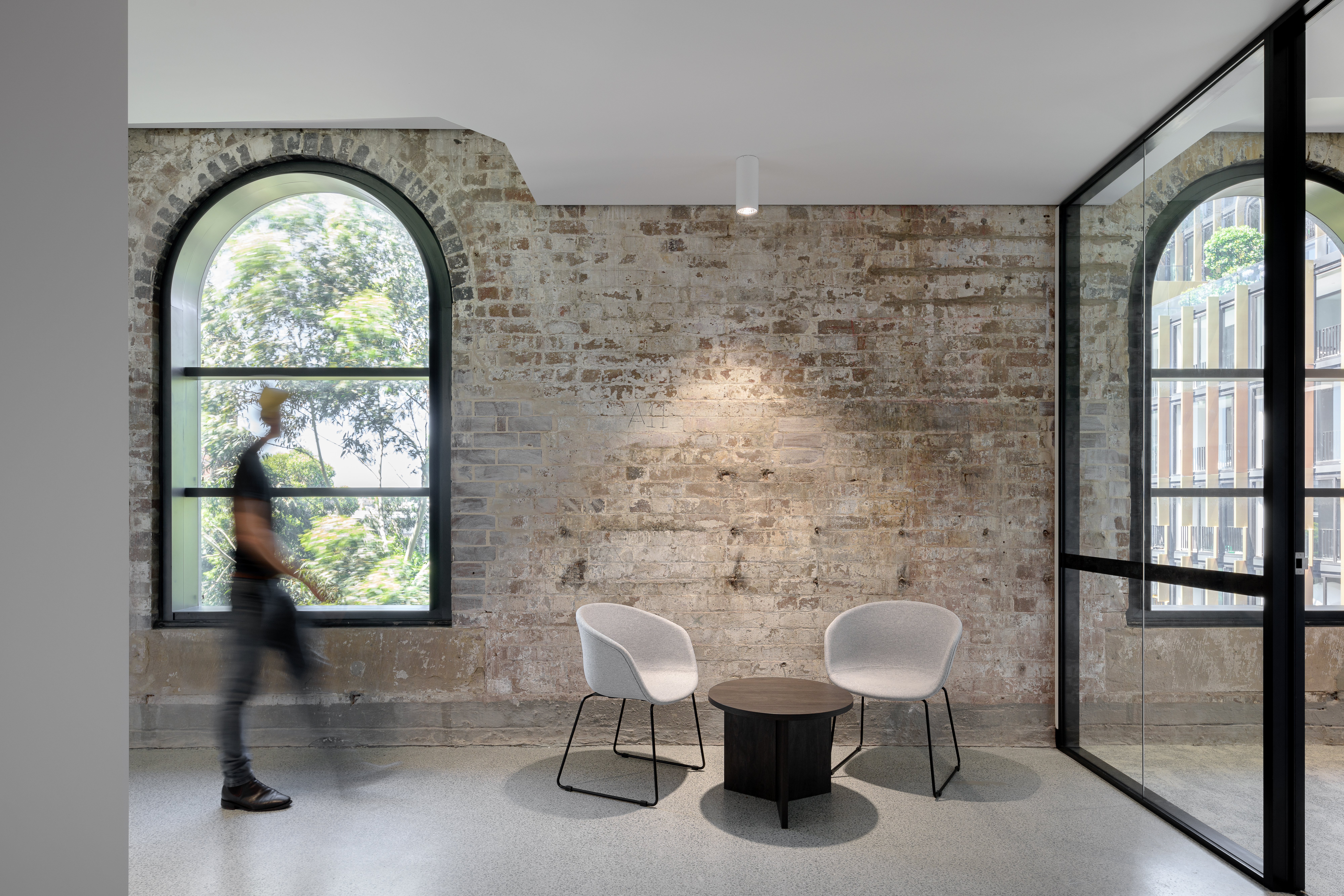
Stage 2—the final stage—took on the vital task of restoring and reinterpreting the original façades, roofs and interiors to create a commercially viable contemporary office with retail and hospitality uses, adapting a once heavily polluted historic factory into a high-quality mixed-used workplace environment.
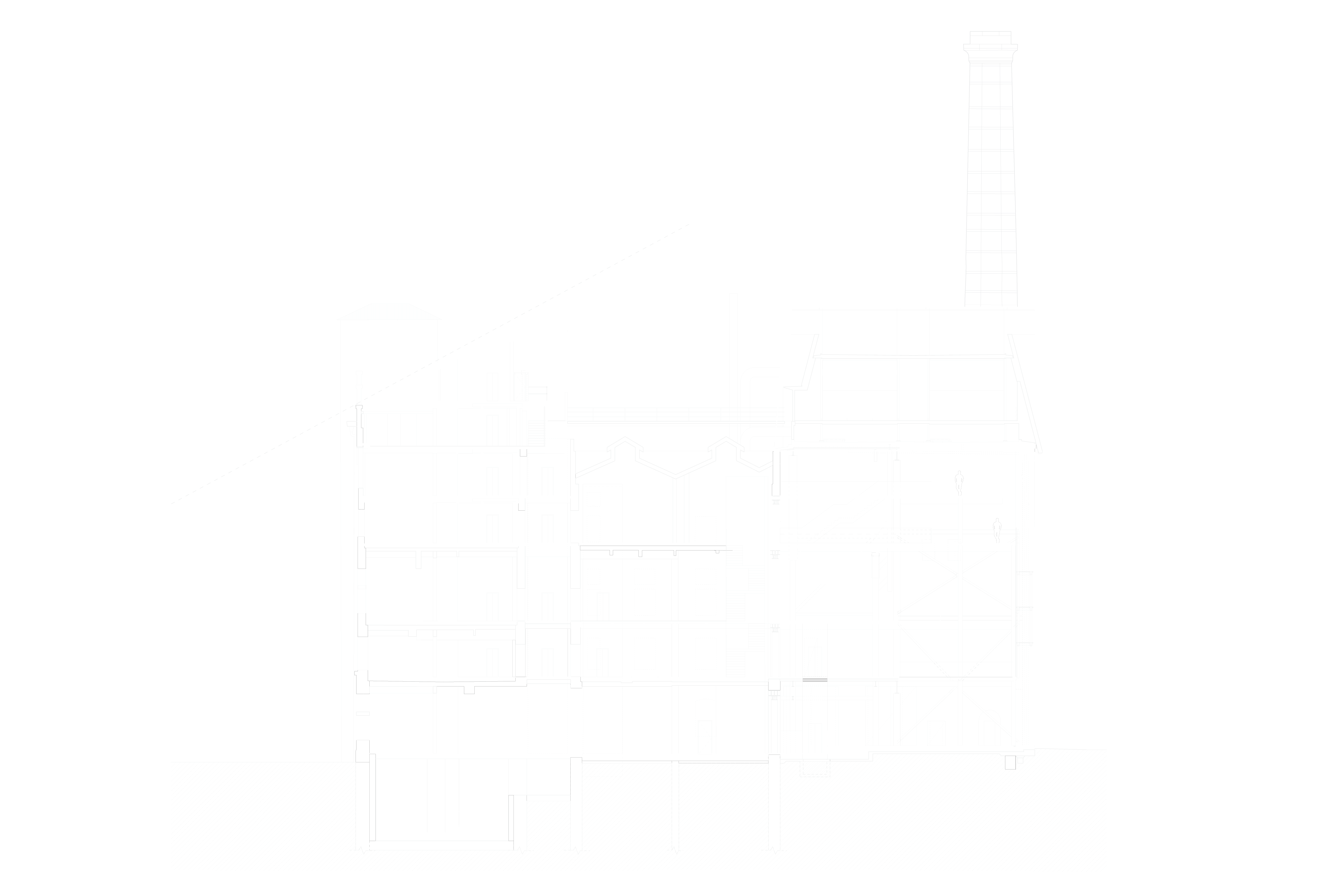
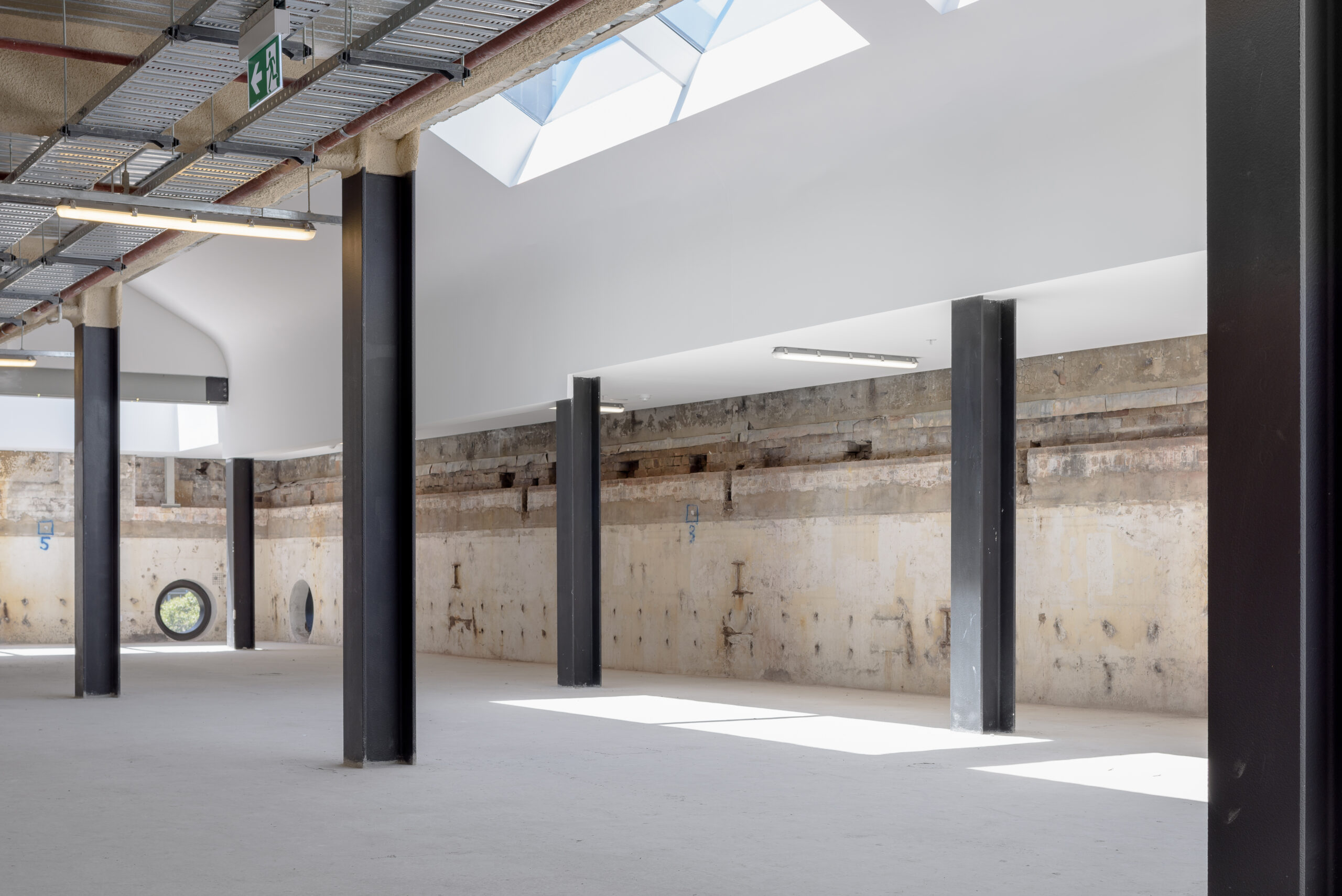
The new roof, designed to maintain solar access to Chippendale Green, creates additional space and provides lightwells for natural light to lower floor plates.
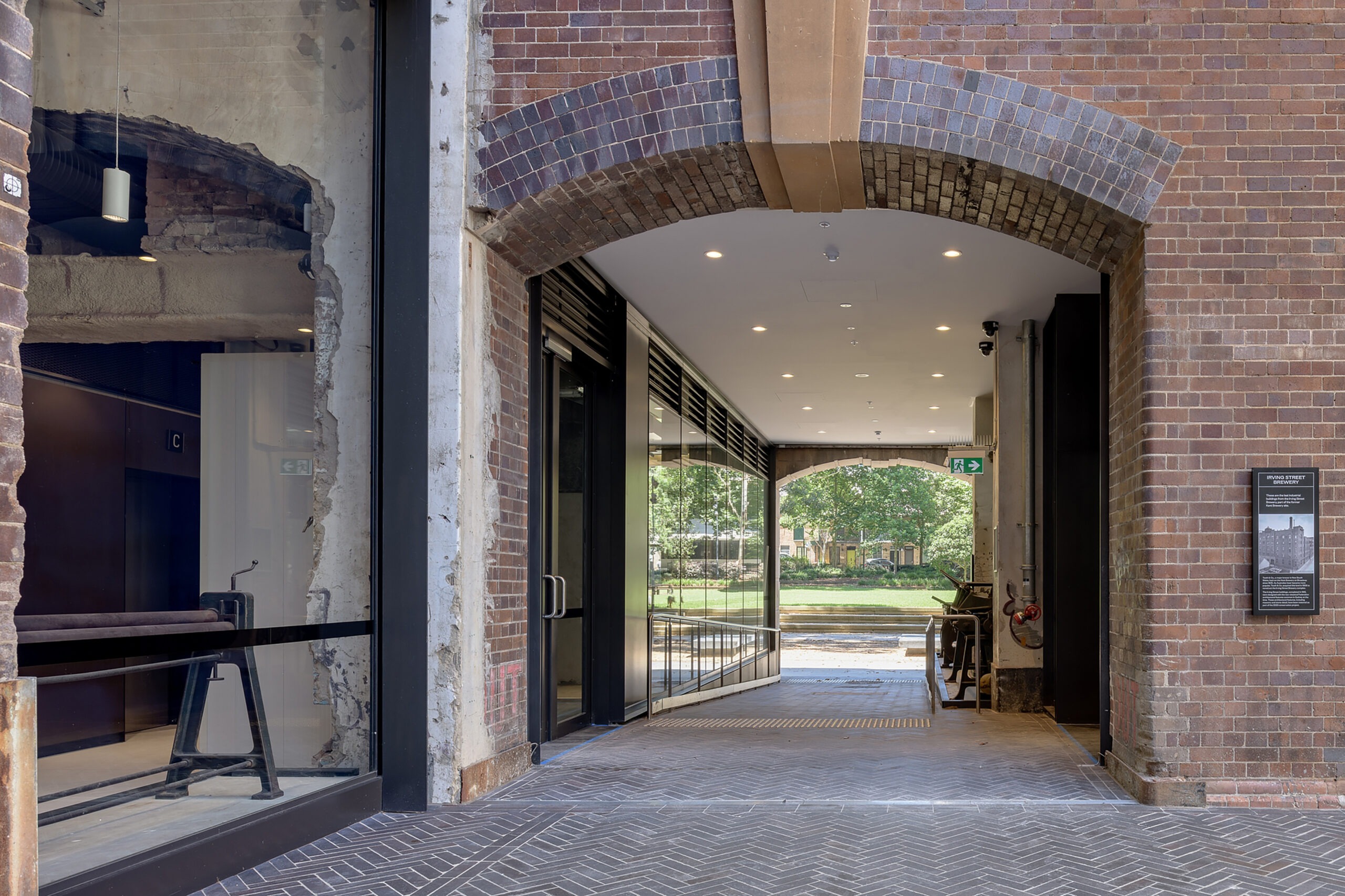
Beneath the tri-generation plant, a new steel framed double glazed façade to the north reveals the existing aged brickwork, sandstone and copper, creating a compelling representation of the building’s layered history and its renewal in the public domain.
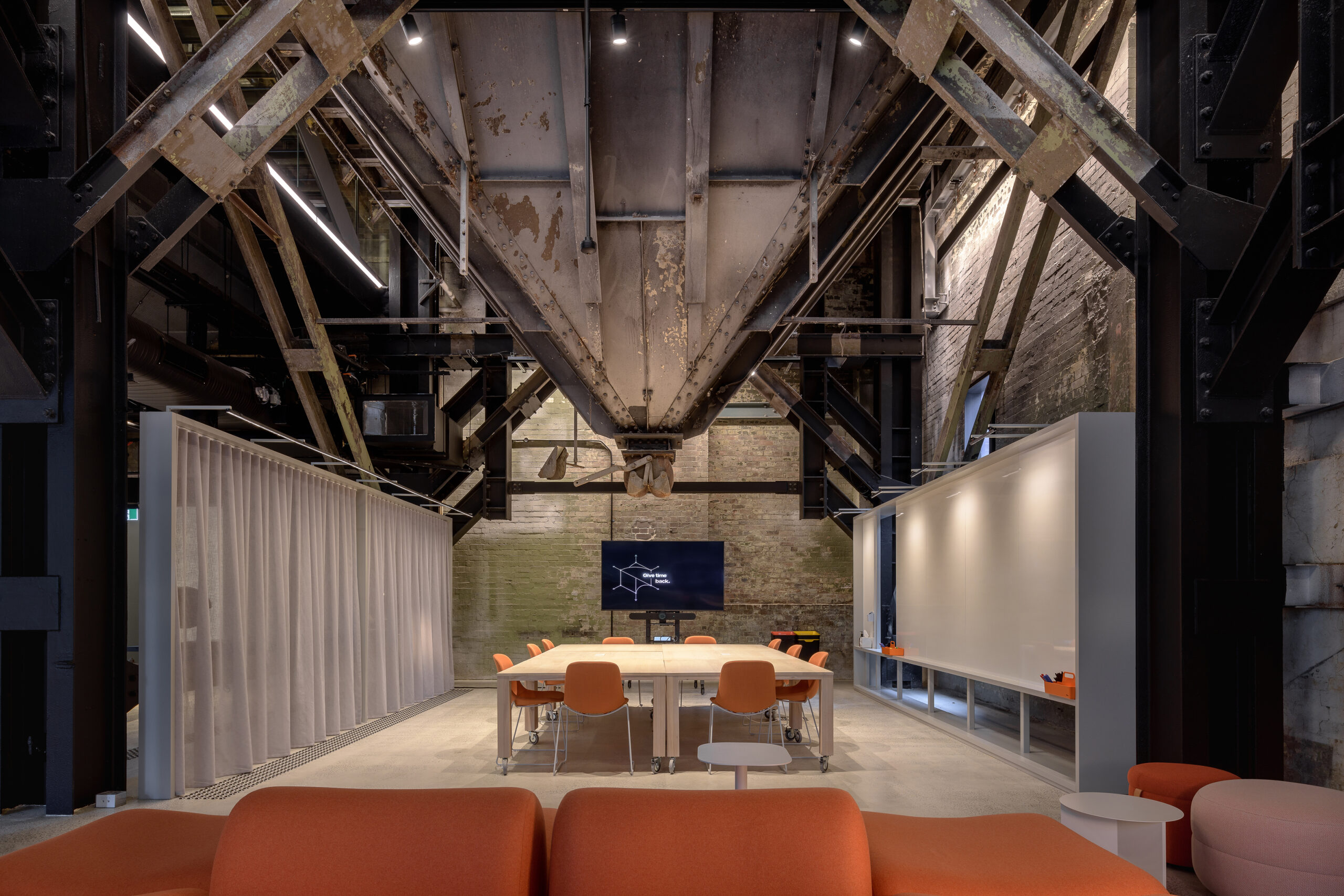
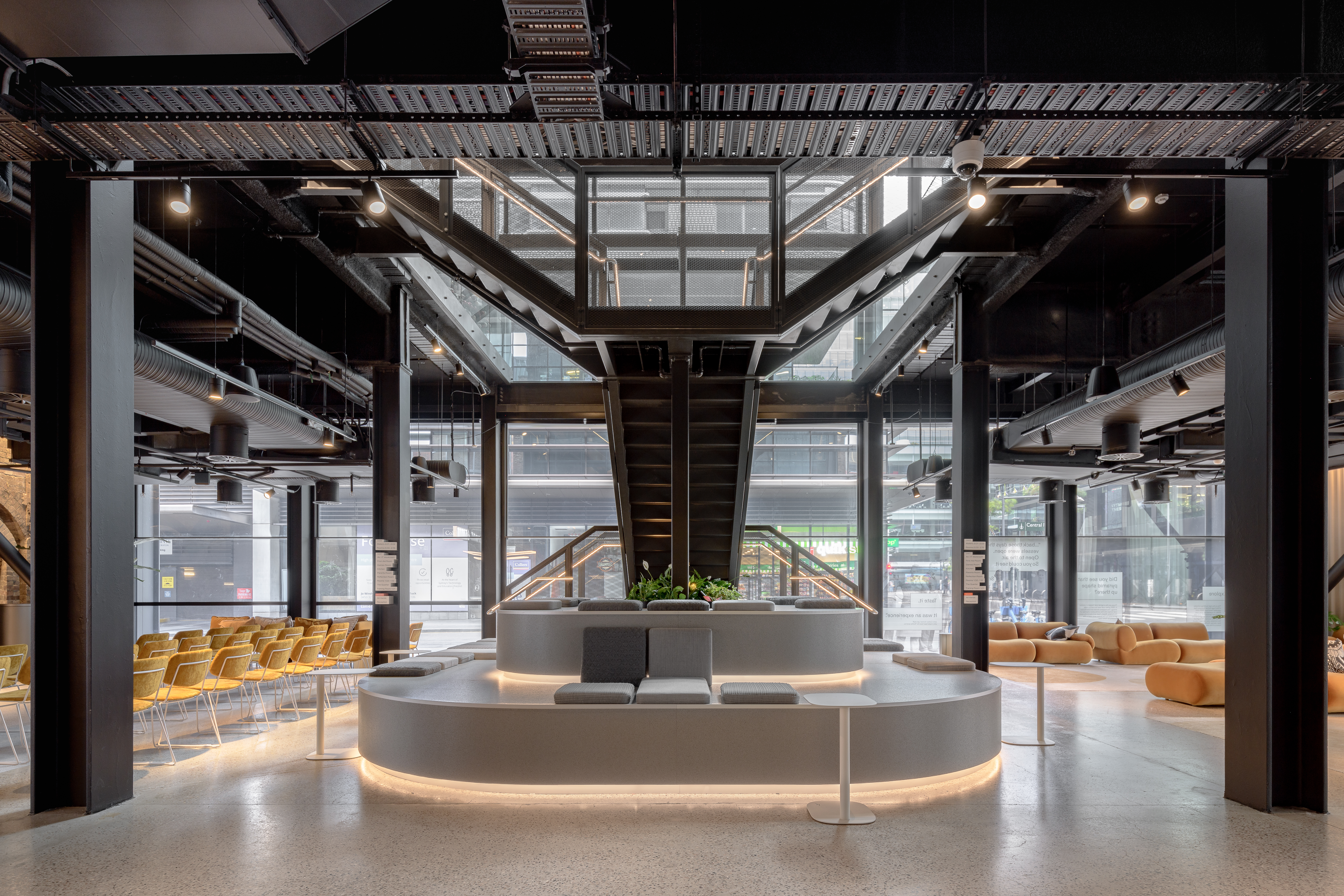
Inside the northern and southern buildings, floors and levels have been reorganised to create additional floor space and to provide suitable floor-to-ceiling heights. Public and tenant-accessible heritage interpretations such as the repurposing of existing hoppers, silo and beer making machinery bring the site’s industrial history to life.
The completion of the Brewery Yard —a landmark for the precinct—marks the realisation of the vision for Central Park. Previously cordoned off and abandoned, Brewery Yard has now transformed into a vibrant commercial and retail hub with high levels of public amenity including accessibility. The Brewery Yard showcases an alternative workplace experience when compared to typical glass commercial buildings founded on the renewed interpretation of the site’s rich history to deliver cultural value to be enjoyed well into the future. Brewery Yard is the heart of Central Park and has established a new destination of global interest in the city of Sydney.